Clean Beauty Explained: What It Means and How to Start
Curious about clean beauty? Learn what clean means, how to decode labels, and simple steps to build a safer, more sustainable routine.
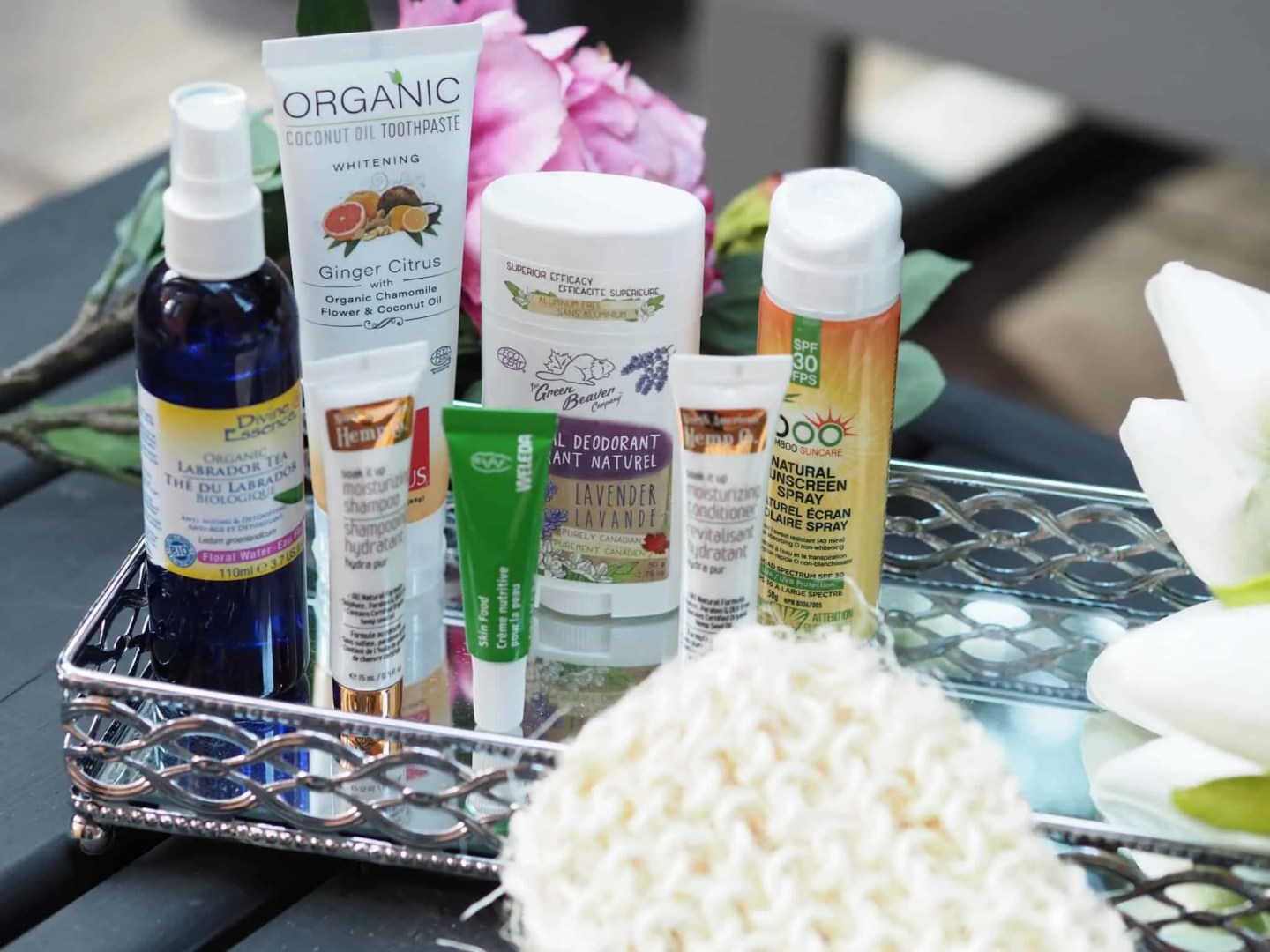
What Clean Beauty Really Means: Clean beauty centers on safer formulations, ingredient transparency, and mindful impact, rather than a perfect all-natural ideal. It is not a single legal standard; it is a set of values that encourage brands to explain what is inside, why it is there, and how it is sourced. A clean approach welcomes both synthetic and botanical ingredients when they are supported by safety data, while encouraging brands to avoid known irritants for most users and to disclose potential allergens. Instead of relying only on free-from lists, focus on context: concentration, exposure, and your skin profile matter. Fragrance can be delightful yet tricky; seek fragrance disclosure and consider unscented options if you are reactive. Remember that natural does not automatically mean gentle, and synthetic does not automatically mean harsh. What truly defines clean beauty is a commitment to safety, clarity in communication, and respect for people and planet, paired with your own informed, evidence-minded choices and consistent patch testing.
Decoding Labels and Ingredients: Start with the INCI list, which names ingredients by their standardized terms. The order reflects approximate concentration, so early-listed items appear at higher levels than those at the end. Learn the roles of common building blocks: humectants (like glycerin) draw water, emollients soften, and occlusives seal in moisture. Actives such as niacinamide, vitamin C, or gentle acids can be fantastic when dosed thoughtfully and balanced with soothing agents like panthenol or aloe. Be wary of vague marketing; terms like hypoallergenic or dermatologist tested do not guarantee universal tolerance. Fragrance may be listed as parfum; if you are sensitive, look for detailed allergen disclosure or go fragrance free. Essential oils can be aromatic and beneficial in low amounts but may irritate some at higher levels. A short list is not always better than a long one; what matters is purpose, proportion, and your skin's feedback. Always patch test new products before full use.
Crafting a Simple, Effective Routine: A clean routine favors essentials over excess. Start with four anchors: cleanse, treat, moisturize, and protect. Choose a gentle, low-foaming cleanser that respects the skin barrier; over-cleansing often causes more issues than it solves. Next, apply targeted actives based on your goals: niacinamide for balance, vitamin C for brightness, or a mild retinoid introduced slowly for texture. Follow with a moisturizer that combines humectants, emollients, and occlusives to fit your skin type, and finish with broad-spectrum sunscreen during daytime. Keep add-ons optional: a hydrating essence, a calming mask, or a facial oil can be helpful but are not mandatory. Introduce one change at a time, giving your skin room to respond. Track how products layer; pilling or stinging signals a mismatch. Clean beauty does not mean sacrificing results; it means choosing evidence-aware, well-balanced formulas and practicing consistent, gentle habits that keep your barrier resilient.
Sustainability and Ethics Beyond Ingredients: Clean beauty expands past what is in the bottle to how that bottle is made, shipped, used, and discarded. Prioritize refillable or recyclable packaging and look for post-consumer recycled materials when possible. Concentrated or solid formats can cut water and shipping weight, while pumps that are repairable or designed for refills reduce waste. Ask how ingredients are sourced and processed; responsible sourcing supports both ecosystems and communities. Consider cruelty-free commitments and broader worker welfare standards, and remember that genuine transparency includes supply chain clarity, not just glossy claims. At home, sustainability is practical: use the right amount, store products away from heat and light to prevent spoilage, and finish what you own before buying more. Small behavior shifts, like choosing multi-use products or skipping unnecessary outer boxes, add up. The cleanest routine respects your skin and the planet alike through life-cycle thinking, mindful consumption, and steady, realistic improvements.
Your Clean Start: Practical Steps and Mindset: Begin with a gentle audit. List what you use, what your skin actually needs, and any known sensitivities. Define a few non-negotiables such as fragrance-free face care or recyclable packaging, then set a budget and a one-in, one-out rule to avoid clutter. Replace products gradually, prioritizing daily staples like cleanser, moisturizer, and sunscreen before occasional extras. Keep a simple skin diary to note reactions, weather, stress, and sleep, so you can spot patterns beyond products alone. Stay alert to greenwashing; seek clear ingredient rationale, concentration transparency when available, and straightforward claims backed by function, not buzzwords. When trying stronger actives, start low and slow, and patch test. If challenges persist, consult a qualified professional for guidance tailored to your skin type and goals. Most importantly, treat clean beauty as a journey, not a finish line: progress over perfection, curiosity over fear, and consistent care over constant chasing of trends.