Cycling Endurance: Training Zones and Indoor Workout Ideas
Boost cycling endurance by mastering training zones and smart indoor workouts. Use power, heart rate, and RPE to structure sessions and get faster.
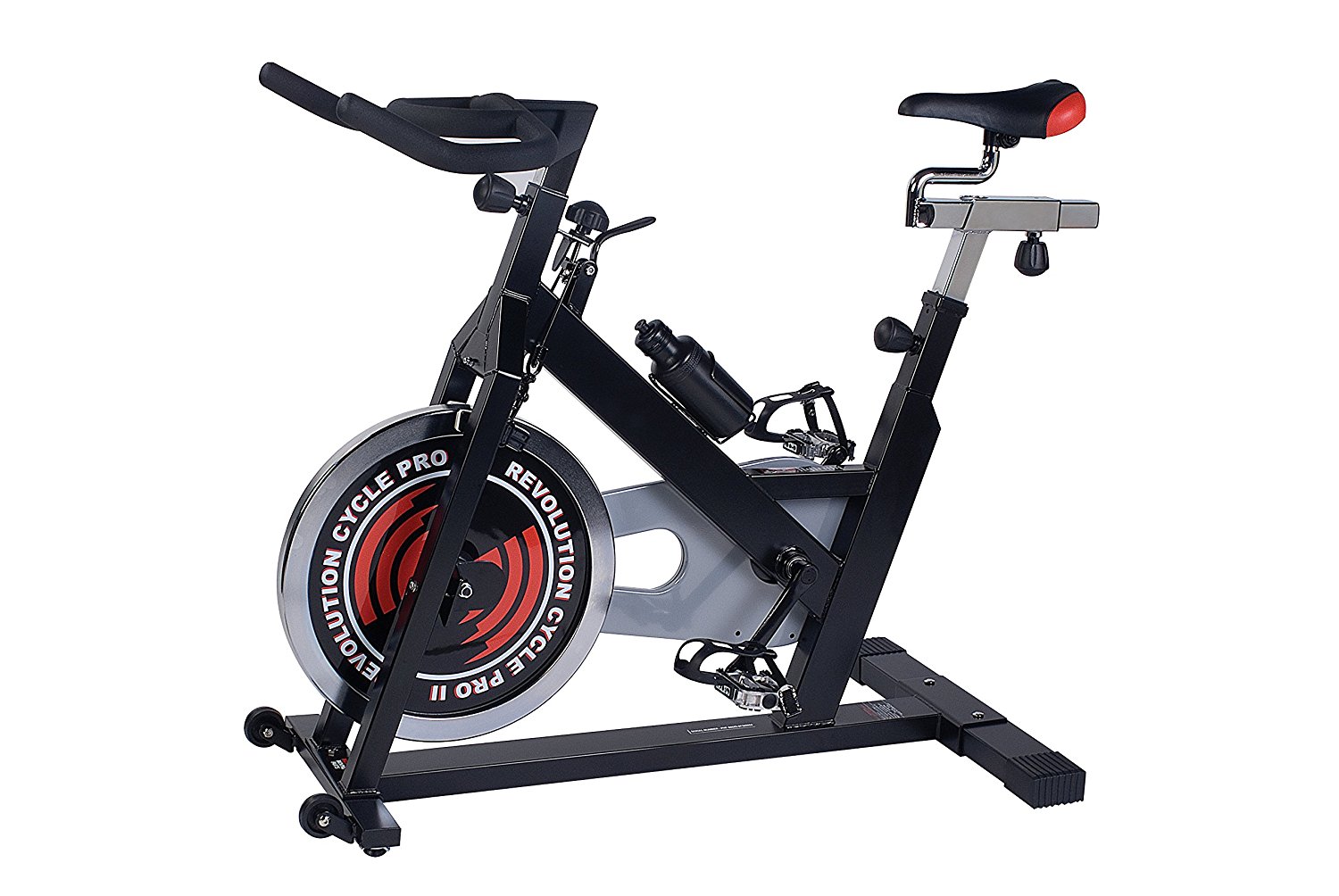
The Endurance Engine
Endurance cycling is built on a powerful aerobic base, the foundation that lets you ride longer, recover faster, and handle harder efforts with less strain. Indoors, you can sculpt this base precisely by controlling intensity, cadence, and recovery without traffic, terrain changes, or weather. The secret is working in defined training zones that target energy systems from gentle recovery to high-octane power. Begin by anchoring your zones to practical markers such as RPE (rating of perceived exertion), heart rate, or power relative to FTP. If you lack lab data, use cues: nasal breathing and easy conversation signal endurance, while labored speech marks threshold. Over time, consistency in lower zones grows mitochondrial density, improves fat oxidation, and expands your cruising speed. Pair these physiological gains with smart session design: a controlled warm-up, steady main set, and purposeful cool-down. Keep a fan blowing, stack a couple of towels nearby, and approach every ride with intent, not just minutes.
Mapping Your Training Zones
Knowing how each zone feels makes your training purposeful and sustainable. Zone 1 (Recovery) is feather-light spinning that refreshes legs and nervous system. Zone 2 (Endurance) feels easy, with full sentences possible and calm breathing—long durations here sharpen aerobic efficiency. Zone 3 (Tempo) is steady and purposeful, where sentences shorten and posture must stay relaxed. Zone 4 (Threshold) sits near lactate threshold; breathing is strong, talk is in brief phrases, and form must be deliberate. Zone 5 (VO2 Max) is challenging, with deep breathing and limited speech, developing maximal oxygen uptake. If you track power, anchor zones to your functional threshold power, then refine with heart rate and RPE. Without meters, the talk test and breathing rhythm provide reliable guides. Revisit zones regularly by observing heart-rate drift during steady efforts: stable heart rate at a given workload signals improving fitness. Indoors, set resistance modes that let cadence float naturally to match each zone's feel.
Indoor Zone 2 Base Ride
A reliable Zone 2 indoor ride is the backbone of endurance development. Warm up progressively with easy spinning, gentle cadence ramps, and a few brief pickups to wake the legs. Settle into a steady workload where breathing stays calm and posture is tall, relaxing shoulders and keeping a soft grip. Aim for smooth cadence in a range that feels efficient; sprinkle in short high-cadence segments to add neuromuscular variety without spiking intensity. Use a big fan for cooling and sip fluids consistently to support hydration. Light fueling preserves quality when sessions extend, especially if you stack workouts across the week. Watch for decoupling—if heart rate drifts upward at the same power or effort, back off slightly or shorten the session. The goal is economy, not bravado. Finish with an easy cool-down, gentle mobility, and quick notes on RPE, cadence sensations, and posture. Over weeks, extend duration modestly, prioritizing comfort, form, and repeatable execution.
Sweet Spot and Threshold Builder
To elevate muscular endurance, integrate sweet spot and threshold sessions indoors. After a progressive warm-up, ride prolonged sub-threshold blocks that feel solid yet sustainable, maintaining crisp technique and stable breathing. Build from shorter sets toward longer, continuous efforts as control improves. For variety, try over-unders: slightly below threshold followed by slightly above, repeating smoothly. These sharpen lactate clearance, pacing, and mental steadiness. Keep recoveries purposeful—long enough to restore quality, not so long the stimulus fades. Focus on posture, relaxed upper body, and even torque through the pedal stroke. Monitor heart-rate drift and RPE to ensure you are targeting the intended zone rather than creeping into excessive fatigue. Indoors, preferentially choose resistance settings that promote consistent cadence and avoid surging. Progress by extending interval time, trimming recovery, or adding a controlled third block. Close with an unhurried cool-down and short mobility to maintain tissue health and set the stage for your next endurance session.
VO2 and Anaerobic Punch Indoors
Strategic high-intensity work supercharges capacity when layered onto a strong base. VO2 intervals are short, intense bouts that elevate oxygen uptake rapidly; pair them with recoveries long enough to keep quality high. Think brisk on/off repeats where cadence lifts, posture stays tall, and you hold form as breathing deepens. For anaerobic capacity, use even shorter, sharper surges with generous rests, focusing on crisp accelerations rather than grinding. Sprinkle in limited neuromuscular power sprints from rolling speed to refine recruitment and snap. These sessions are potent—keep the total high-intensity dose modest and avoid stacking too many in one week. Warm up thoroughly with progressive ramps and brief openers, and cool down with gentle spinning. Use RPE and heart rate to track how quickly you recover between repeats; slowing recovery can signal fatigue. Done right, this work raises the ceiling so threshold and tempo efforts feel smoother, helping you hold speed comfortably for longer rides.
Technique, Strength, and Cadence Drills
Indoor time is ideal for polishing technique and building durable strength. Include single-leg drills to reveal dead spots and refine a circular pedal stroke, alternating sides with light resistance. Layer in low-cadence torque efforts seated, emphasizing a quiet upper body and steady hip stability, then contrast with high-cadence spins to train coordination and relaxation under speed. Stand for brief, controlled climbing segments to distribute load and fortify posture. Integrate core stability: neutral spine, engaged midline, relaxed shoulders, and level hips. Small tweaks—saddle height, cleat alignment, hood rotation—can amplify comfort and efficiency; make micro-adjustments and note sensations. Use a mirror or camera to check knee tracking and head position. Keep these drills short and precise within a larger endurance or tempo session so technique stays sharp without excess fatigue. Over time, you will pedal smoother, control cadence ranges more easily, and translate indoor skills into confident, efficient road or trail performance.
Progression, Recovery, and Mindset
Endurance thrives on progressive overload, measured recovery, and a calm, consistent mindset. Plan weeks that balance Zone 2 volume with targeted intensity, then schedule lighter days to consolidate gains. Monitor signals like morning RPE, sleep quality, and, if available, HRV to guide day-to-day adjustments. Small steps matter: add a little duration to a base ride, a few minutes to a threshold block, or one extra repeat to a VO2 set—never all at once. Protect the recovery process with adequate fueling, hydration, and an unrushed cool-down, followed by mobility or gentle stretching. Mentally, set session intentions: technique focus, pacing discipline, or cadence control. Celebrate process wins, like steadier heart rate at a given output or cleaner form late in intervals. If fatigue rises or motivation dips, trim intensity first, not just volume. Consistency beats hero workouts; by stacking smart, sustainable sessions, your endurance capacity expands and stays resilient over time.