Deskbound Wellness: Movement Snacks for Busy Schedules
Stuck at your desk? Discover simple, science-backed movement snacks - 60-second stretches, posture resets, and mini-walks - to boost energy and health.
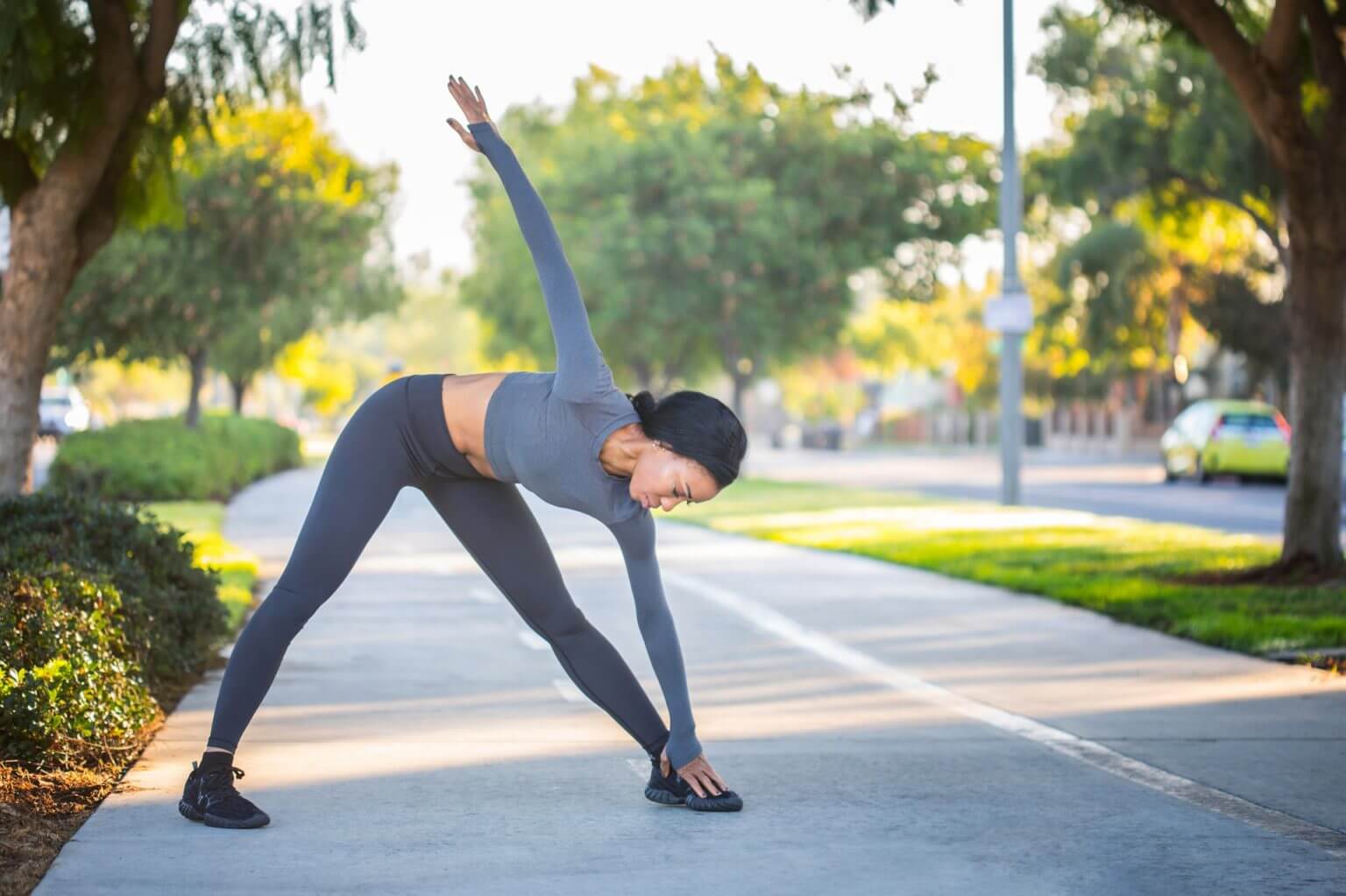
Why Movement Snacks Matter. Long days at a desk do not need to be sedentary marathons. Short, intentional bursts of motion, often called movement snacks, refresh circulation, unstick stiff joints, and reboot attention without derailing your schedule. Think of them as practical support for your nervous system, blood flow, and mood, layered between emails and meetings. Just one to three minutes of gentle activity can lift energy and sharpen focus, especially when repeated throughout the day. These microbreaks add to your overall NEAT and complement formal workouts, but they also stand on their own merit when time is scarce. Small deposits compound: a few hip openers before a call, a set of calf raises while a file loads, a neck reset after a long draft. You return to the task with less tension and more clarity. Consistency beats intensity here, and the goal is simple: keep your body engaged while your work stays on track, preserving comfort, creativity, and sustainable productivity.
Posture and Mobility Reset. Begin with a quick posture scan: lengthen the spine, soften the ribs, and let the shoulders melt down. Gently nod the head yes and no to ease the neck, then draw slow semicircles with the chin. Add shoulder rolls, alternating forward and back, to melt desk-bound tightness. Circle the wrists and spread the fingers to wake up hands that have been typing. Interlace the fingers, press palms forward, and reach long to expand the upper back. Sit tall for thoracic rotation: hug yourself, rotate right and left, and exhale into each turn. Hinge at the hips to stretch hamstrings, then shift into hip circles to free the pelvis. Finish with ankle pumps and circles to invite circulation down to the feet. Move slowly, breathe smoothly, and keep ranges comfortable. This two-minute flow relieves stiffness, builds mobility, and reminds the body how to distribute effort evenly rather than letting one area carry the whole day.
Strength in Small Doses. You can build useful strength without leaving your chair. Start with glute squeezes, holding a firm contraction, then release with control. Stand for chair squats, tapping the seat lightly before rising to emphasize hip power and knee alignment. Add calf raises by lifting and lowering heels with a pause at the top for balance and ankle resilience. Try wall sits for steady leg endurance, keeping ribs stacked over hips and pressing the lower back gently into the surface. At the desk, perform incline push ups with a long spine and engaged core; even a handful of reps wakes the upper body. Sprinkle in isometric holds for posture muscles by drawing shoulder blades slightly back and down while maintaining relaxed neck and jaw. Focus on quality, not volume. Aim to feel tension where intended, move through pain free ranges, and breathe. Regular micro sets cultivate stability that translates to easier sitting, better walking, and less end of day fatigue.
Eyes, Breath, and Brain Breaks. Mental clarity benefits from physical resets. Practice eye care by cycling gaze: look far, then medium, then near, blinking softly to lubricate. Trace slow figure eights with only the eyes to loosen extra screen focus. Pair visual rest with breathwork. Try a simple box breath: inhale, hold, exhale, hold, keeping the shoulders relaxed and the belly soft. Or use a longer exhale to engage the parasympathetic response and calm background tension. Add a gentle physiological sigh by taking a small top up inhale and releasing a long, smooth exhale. Follow with a jaw and tongue reset: unclench the teeth, rest the tongue high and wide, and massage the temples. These practices take a minute, reduce eye strain, and settle racing thoughts. When your nervous system steadies, coordination improves, posture organizes naturally, and focus returns. Think of this as cross training for attention, pairing body signals with brain recovery, so you sit down ready to do deep work again.
Make Micro Moves Automatic. The secret to busy day consistency is linking motion to moments that already happen. Attach a quick stretch to every meeting start, calf raises while coffee brews, or a posture reset after sending a deliverable. These are behavioral cues that anchor a habit loop. Use timers, calendar nudges, or visual prompts like a resistance band on your chair to remind you. Keep choices friction free: water nearby, clear floor space, and a chair stable enough for squats. Track wins with simple check marks to reinforce momentum without pressure. If you miss a block, celebrate the next one; frequency matters more than perfection. Vary the menu to keep it fresh: one hour emphasizes mobility, the next favors strength, then breathwork. Over time, your day feels studded with energy boosts rather than drained by long slumps. This is habit stacking in service of health, creativity, and sustainable output, built quietly into the rhythm of real work.
Ergonomic Tweaks That Invite Motion. Smart ergonomics encourage movement rather than lock you in place. Set chair height so hips are slightly above knees, allowing easy hip hinging and more active glutes. Position the screen at relaxed eye level to minimize neck strain and reduce the urge to slump. Keep the keyboard and mouse close to maintain neutral wrists and reduce shoulder creep. Alternate sitting styles: tall sit, perching forward, and occasional cross leg variations if comfortable, all while keeping the spine long. If you use a sit stand setup, rotate positions regularly and add micro shifts like toe taps, heel rocks, and soft knee bends. A small footrest invites fidgeting that feeds circulation. Place frequently used items just out of easy reach to prompt brief movement snacks. Even the path to refill water can be a mini walk. Design the workspace to say move a little in many ways, protecting joints while stimulating steady, low level activity throughout the day.
Consistency, Recovery, and Motivation. Sustainable wellness blends motion with recovery. Hydrate steadily, and use each refill as a walking cue. Sprinkle light mobility at the start and end of the day to bookend comfort, then let evenings favor gentle stretches rather than intensity. When seated for long sessions, micro stretch first, then stand; warm tissues move more easily. Notice improvements you care about: clearer thinking, steadier mood, deeper sleep, fewer afternoon slumps. That feedback sustains motivation better than chasing arbitrary targets. Personalize choices with respect for your body; scale movements to your needs, and consult a professional if you have concerns or persistent pain. Celebrate small wins to reinforce identity as someone who moves. The aim is not perfection, but consistency that fits real calendars. With regular attention to posture, breath, strength, and eyes, you transform idle minutes into a health practice. Over weeks, your desk becomes a place where vitality builds rather than leaks away.