Food-Fueled Journeys: Taste Your Way Through New Places
From sizzling street stalls to market tastings, discover how to map new cities by flavor and turn every meal into a cultural passport.
Savoring the First Bite. Food is the quickest route to understanding a place, a direct conversation with its people, climate, and values. Let your appetite become a compass, guiding you from fragrant corners of neighborhoods to quiet counters where regulars gather. Start with simple questions: What do locals eat for breakfast, how do they sweeten a day, which spices define comfort? Prioritize seasonal specialties that express local terroir, and seek out family-run spots where recipes carry memory. Balance a bit of research with open-ended wandering, asking vendors for one dish they are proud of. Practice mindful tasting: notice texture, aroma, acidity, and heat, and pair each bite with what you can observe around you, from architecture to street rhythms. Stay flexible with dietary preferences, learning substitutions that retain spirit without losing respect. Travel slowly, support small producers, and remember that every plate holds a story. By listening with your taste buds, you turn meals into maps and flavors into friendships.
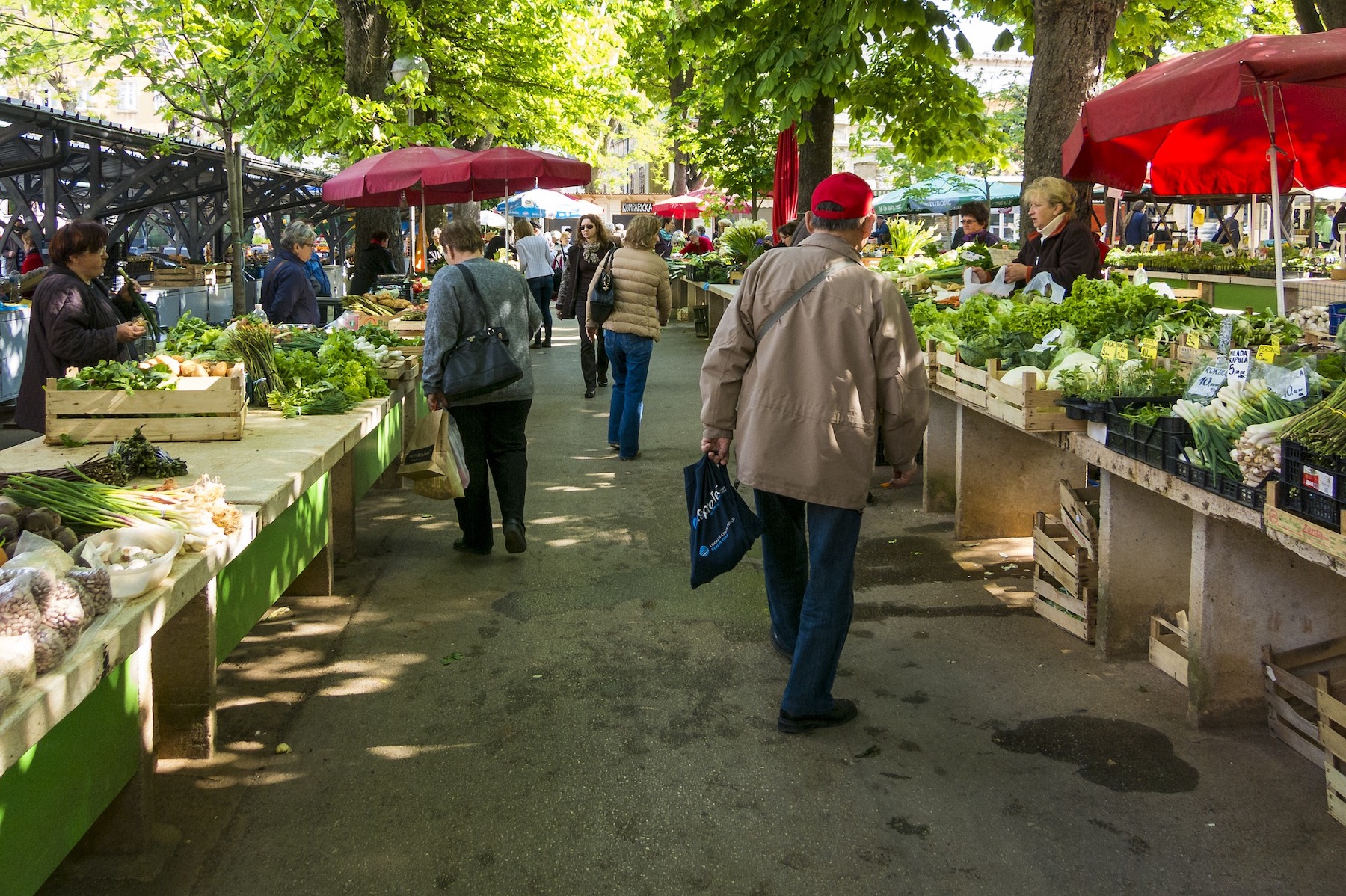
Markets And Morning Rituals. Wake early and follow the hum of a market. Dawn reveals how a city breathes: crates of greens, steam rising from griddles, and neighbors greeting stallholders by name. Start with a small cup of local coffee or tea, then explore the produce that anchors daily life. Choose fruits you have never tried, ask for ripeness tips, and sample with courtesy. Practice market etiquette by waiting your turn, asking before photos, and stepping aside to taste. Bring small bills, a cloth bag, and patience; the best finds often appear after a friendly chat. Rotate between sweet and savory—fresh breads, cheeses, pickles—so your palate stays curious. Watch cooking demonstrations, learn the names of herbs, and note how tools and techniques reflect tradition. By prioritizing stalls run by small growers, you invest in community resilience. When you leave with a simple breakfast, you carry more than food; you carry the city's morning ritual within you.
Street Food After Sunset. As lights glow and sidewalks bustle, street food becomes a stage for speed, skill, and creativity. Follow the longest, happiest line, an age-old indicator of freshness and trust. Choose stalls where the oil looks clean, ingredients are turned over quickly, and dishes are cooked to order. Start with manageable portions—skewers, dumplings, or griddled pockets—so you can taste widely without overfilling. Share plates, calibrate spice to your comfort, and keep napkins handy. Many scenes offer communal tables; welcome the chance to trade recommendations with fellow diners. Prioritize what is served hot, observe hygiene practices, and wash hands often. Let scent lead you across neighborhoods where grills snap, steam baskets hiss, and citrus cuts through smoke. The best bites carry contrast: crisp and tender, sweet and bitter, cool and fiery. By moving slowly, paying attention, and showing gratitude, you transform a night market into a syllabus of flavor, a lively seminar on how cities feed themselves.
Home Kitchens And Cooking Classes. A kitchen lesson turns travel into practice, where recipes become stories and techniques become souvenirs. Seek classes that begin in a market, gathering herbs, greens, and spices before chopping, toasting, or pounding them into sauces. Focus on foundations—knife skills, heat control, seasoning—so you can recreate dishes at home without special equipment. Ask generous questions about history, regional variations, and holiday traditions, and be honest about dietary restrictions so instructors can suggest authentic substitutions. Embrace simple steps that unlock depth: blooming spices in fat, salting in layers, resting doughs. Respect kitchen etiquette by cleaning as you go, sharing tasks, and tasting mindfully. When the meal is served, linger over table conversation, noting which flavors symbolize celebration or comfort. Record measurements, textures, and visual cues, not just times. You will leave with more than techniques; you will carry the confidence to cook your journey back into being, one simmering pot at a time.
Mapping Regions By Flavor. Plan itineraries around edible landscapes, letting flavor shape your route through valleys, coasts, and highlands. Sketch a loose map of food clusters—farms, bakeries, smokehouses, roasters—then connect them by scenic trains, bikes, or local buses. Seek terroir at its source: orchards heavy with fruit, coastal stands selling briny specialties, mountain dairies crafting tangy wheels. Reserve tastings when needed, but keep room for detours prompted by a roadside sign or a neighbor's tip. Pair bites with the places they emerge from, noting soil, salt air, and altitude in your journal. Choose farm-to-table spots that credit growers, and consider tours that show how ingredients travel from field to flame. Travel lightly, pack an empty container for fragile finds, and respect private property and quiet hours. By weaving geography and gastronomy, you create a culinary map where every bend in the road invites a new tasting note and every meal anchors a memory.
Etiquette, Sustainability, And Respect. Good taste includes good manners. Learn local etiquette: how to accept a pour, share dishes, or use the right hand for passing. Watch the room for cues on pacing and conversation, and mirror respectful gestures. Practice sustainability by carrying a refillable bottle, refusing single-use items, and favoring seasonal menus. Choose low-impact proteins, support cooperatives, and ask about sourcing without demanding trade secrets. Order thoughtfully to avoid waste, and take leftovers only when appropriate. Be mindful that beloved eateries might be strained by popularity; share your enthusiasm without overwhelming small spaces. A few local phrases for gratitude open doors and hearts. Tip or round up when custom, and always say thank you to kitchen and floor staff. Treat every table as someone's livelihood and every recipe as a family archive. When curiosity meets humility, you not only eat well—you travel with integrity, nourishing the communities that nourish you.
Keeping The Journey On Your Tongue. Preserve edible memories so they keep teaching you long after you unpack. Keep a flavor journal that captures sights, smells, textures, and the small human moments that made a dish sing. Sketch a stall layout, list spice blends, or record the sound of a market bell to anchor recall. Bring home shelf-stable spices, teas, or preserves, following customs rules and packing carefully. Host a dinner that recreates your route, pairing courses with short stories, music, or photos that honor the cooks you met. Translate techniques into your pantry: swap oils, adjust heat, and use local produce to echo the spirit if not the exact ingredients. Create a rotating ritual—market mornings, soup Sundays, grilled nights—that keeps travel curiosity alive. Share recommendations with care, crediting small businesses, and encourage others to approach places with respect. When you cook your souvenirs, you do more than eat; you relive landscapes, voices, and generous tables.