Gearing and RPM: Finding the Sweet Spot for Power
Power isn't just revs or big gears - it's matching the engine's power band to road load. Learn how to gear and shift for punch and top speed.
RPM, Torque, and Power in Context Understanding the relationship between RPM, torque, and power is the foundation of smart gearing. RPM describes how fast a shaft spins, torque is the twisting force that turns it, and power is the rate of doing work, mathematically the product of torque and rotational speed (with appropriate unit conversion). That means you can make the same power with high torque at low RPM or lower torque at high RPM, but the operating consequences differ for cooling, friction, and efficiency. Every motor or engine presents a characteristic torque curve shaped by airflow, magnetic limits, and control strategy. Real-world loads also change with speed; rolling resistance is fairly constant, while aerodynamic drag grows rapidly as speed rises, demanding much higher power at the top end. Gearing exists to place the motor at an RPM where it can deliver strong, sustainable power against that load. The art is to avoid lugging at too low an RPM or overspinning into inefficient, heat-building regions, and instead target the sweet spot where the machine breathes or energizes most effectively.
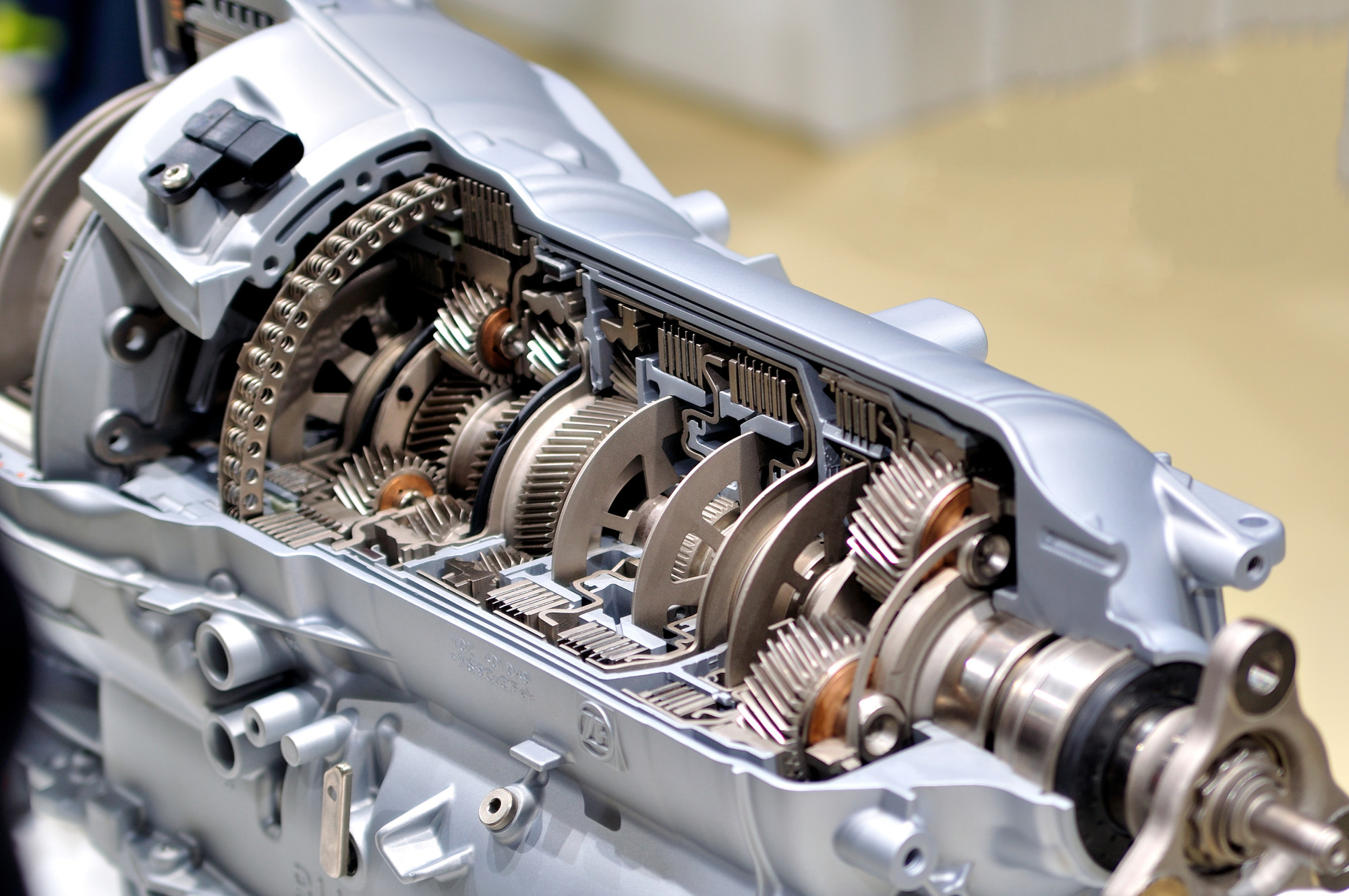
Gearing as Mechanical Advantage Think of gearing as a rotational lever that trades speed for force. A higher reduction ratio multiplies torque at the wheels while lowering wheel speed; a taller or overdrive ratio does the opposite, favoring speed with less torque multiplication. Your true leverage is the overall ratio, the product of the selected gear and the final drive (or sprockets), tempered by driveline efficiency. Wheel torque equals motor torque times overall ratio times efficiency, and it meets the ground through tire radius and available traction. Short gearing helps launch heavy loads or climb grades, but it can cap top speed and increase noise or energy use. Tall gearing reduces RPM at cruise, improving comfort and potentially range or fuel economy, but risks sluggish response. Multi-stage gearboxes, chain or belt drives, and differentials let you shape this leverage precisely. The goal is to align the mechanical advantage with the motor's strengths and the task's demands, turning raw potential into controllable, usable power.
The Sweet Spot: Powerband and Efficiency The sweet spot is where your motor produces ample, repeatable power with solid efficiency and manageable heat. Combustion engines typically show peak torque at lower RPM and peak power higher up as airflow improves. Many electric motors deliver near-constant torque to a base speed, then transition to a constant-power region influenced by back-EMF and control tactics like field weakening. In both cases, the most effective acceleration happens where wheel power is highest and sustained. Efficiency matters: operating in a high-loss zone wastes energy and builds heat that can trigger thermal limits and derating. Load type matters too: steady cruising favors efficient midrange RPM, while sprints and hills favor the strongest portion of the powerband. Mapping this landscape—by reading curves or testing—tells you where the machine is happiest. Your mission is to use gearing (or control settings) to keep the motor hovering near that productive window, minimizing time spent outside it while preserving components and maintaining consistent performance.
Choosing Ratios for the Mission Select gear ratios by working backward from your goals. Define the desired top speed and identify the motor RPM where it makes near-peak power; choose an overall ratio that places that RPM at the target speed. Next, check launch and gradeability: first gear should multiply torque enough to overcome inertia, inclines, and traction limits without forcing wheelspin. Evaluate cruise RPM for comfort and efficiency, ensuring the motor sits in a lightly loaded, economical zone. For multi-speed setups, space gears in a logical progression—often geometric—so RPM drops land you back in the powerband after each shift. Off-road or towing favors shorter gearing; high-speed tracks or long highway stretches favor taller gearing. Electric drivetrains with strong constant-power capability may use a single reduction, while performance applications can benefit from two-speed or more to sharpen response. Always consider tire diameter, driveline losses, and environmental factors that shift loads, then iterate to tune ratio choices to your specific mission.
Shift Strategy and Control Logic Getting ratios right is only half the story; you must also know when to shift or how to modulate control. The universal rule: shift at the point where wheel power available in the next gear exceeds what you have in the current gear. On engines with rising power to higher RPM, that often means shifting near the upper end of the range, but not past the rev limit or into a zone where power collapses. For electric systems with a constant-power plateau, the optimal shift is near the crossover where the next gear keeps the motor within that plateau. Gear spacing influences this: close-ratio sets keep you nearer the sweet spot; wide-ratio sets trade precision for flexibility. In low gears, consider torque limiting to preserve traction and drivetrain health. Balance efficiency and lap time or grade holding needs. Smart control strategies—throttle mapping, regenerative settings, and temperature-aware limits—keep the system in its most effective operating corridor.
Testing, Data, and Iteration Real performance is proven with data. Use dyno pulls, acceleration tests, and logged speed-versus-time traces to validate power delivery and spot gaps in your gearing. Compare time-to-speed, grade holding, and repeatability as temperatures rise. Translate acceleration and speed into estimated wheel power, noting that power equals force times velocity, with force inferred from mass and measured acceleration. Check how RPM lands after each shift; if it drops below the powerband, consider closer spacing or shorter ratios. Verify that tire diameter, rolling resistance, and aero assumptions match reality, and account for driveline losses. In electric setups, watch thermal behavior and controller limits under sustained load. In all systems, monitor NVH, range or consumption, and component temperatures to ensure durability. Small changes—one tooth on a sprocket, a minor final-drive tweak, or revised control calibration—can unlock smoother launches, stronger midrange, and a calmer cruise, moving you closer to that enduring sweet spot for power.