Outdoor Fitness: Turn Any Park into a Workout Space
Turn any park into your gym: build strength, cardio, and mobility using benches, stairs, and open space for a full-body, scalable workout.
Survey the Park
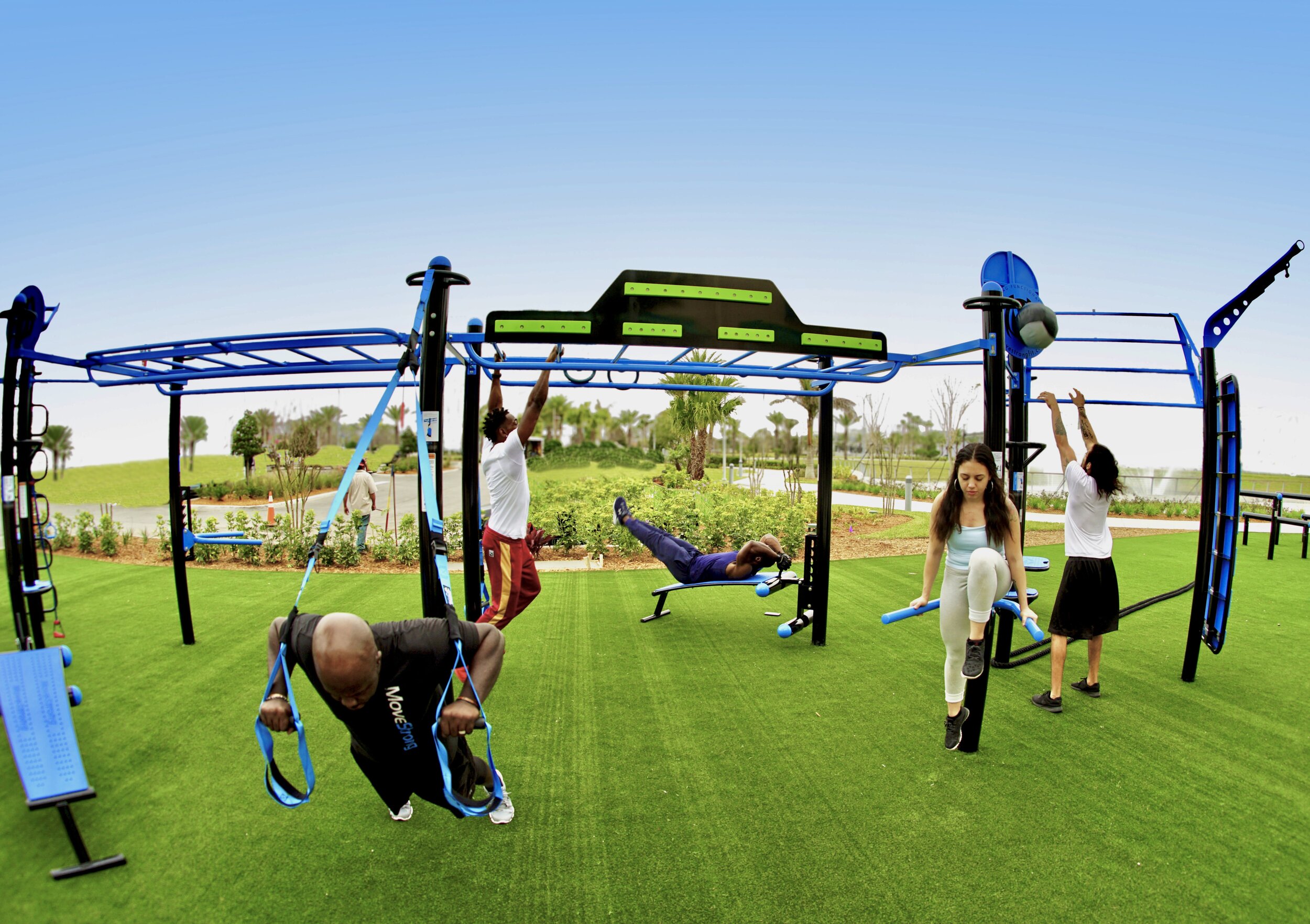
Turn any green space into a health hub by first learning to scout your surroundings with a trainer's eye. Walk the perimeter to note flat grass for lunges, a sturdy bench for step-ups, a low rail or bar for rows, and a gentle hill or set of stairs for cardio bursts. Check the ground for roots or slick patches, and pick a shaded area when the sun is strong. Start with a simple warm-up loop: an easy walk or light jog, then dynamic moves like leg swings, arm circles, and hip openers to prime mobility and balance. Pack minimal essentials such as water, a small towel, and a light resistance band. Choose a sequence that flows naturally from one feature to the next to keep momentum high and downtime low. Set an intention for your session—full body strength, stress relief, or technique practice—so every minute aligns with your well-being goals. With a clear route and plan, the park becomes your outdoor gym.
Build a Smart Bodyweight Circuit
A park bench and playground bar can unlock a potent bodyweight routine that strengthens the entire system. Anchor your circuit around compound movements: push-ups on a bench (incline for an easier lever, decline for a tougher one), inverted rows on a rail, split squats or step-ups for the legs, and a plank variation for the core. Layer in triceps dips on the bench, walking lunges across the grass, and mountain climbers to spike the heart rate. Time-based circuits keep pace and intensity consistent; try work intervals followed by short transitions, repeating for multiple rounds. Rotate grips, stances, and tempos to avoid plateaus and keep joints happy. Frequency beats marathon efforts, so aim for crisp, focused sets that leave a rep or two in reserve. Modify by elevating hands for push-ups, shortening ranges of motion, or adding a light band for rows. This simple framework builds strength, coordination, and muscular endurance without heavy equipment.
Turn Terrain into Cardio and Power
Natural features make powerful conditioning tools. Use a hill for short, crisp efforts to develop anaerobic power, walking back down for recovery. If you have steps, mix fast climbs with controlled descents to challenge aerobic capacity, calves, and quads. On open grass, create agility lanes with leaves or small sticks and run lateral shuffles, carioca steps, and figure-eight patterns to sharpen footwork and reactive strength. Add low-impact plyometrics like skipping, bounding, and gentle hops, landing softly to protect joints and build elastic recoil. Play with speed by alternating easy cruising with purposeful surges between landmarks, guided by perceived exertion rather than strict pacing. Interleave mobility—ankle rocks, hip circles, thoracic rotations—between bursts to keep tissues supple. Keep the surface forgiving, shoes grippy, posture tall, and arms relaxed. Over time, vary distance, terrain, and effort to expand your engine, boost resilience, and make conditioning sessions feel like playful exploration rather than chore-like exercise.
Safety, Recovery, and Progression
Smart outdoor training protects your body while moving you forward. Begin with a dynamic warm-up to raise temperature and lubricate joints; finish with a cool-down of slow walking and relaxed breathing to downshift the nervous system. Use the environment to stretch: calves on a curb, hamstrings with one heel on a bench, or a gentle chest opener by holding a tree at shoulder height. Prioritize hydration, sun protection, and a steady pre-session snack if needed. Progress with intention: increase reps, extend time under tension, refine range of motion, or reduce rest, but change only one variable at a time to avoid overload. Explore unilateral work for balance, tempo eccentric phases for control, and isometric holds for tendon health. Track how you feel, not just what you did, and respect signs that call for lighter days. Quality sleep and restorative walks amplify recovery, while regular mobility check-ins maintain joint integrity and long-term durability.
Consistency, Community, and Joy
Sustainable fitness grows from habits you enjoy. Keep sessions approachable by pairing them with routines you already have, a tactic often called habit stacking. Use a small notebook to log movements, sets, and how your body felt; celebrate non-scale wins like deeper squats, steadier planks, or calmer breathing. Invite a friend to share a circuit, trading sets while offering form cues and encouragement. Practice good park etiquette by yielding equipment, keeping music low, and leaving no trace. Curate variety without chaos: rotate circuits, switch terrains, or learn a new skill such as a controlled hang or a single-leg balance flow. On challenging days, shorten the plan but keep the promise—five focused minutes still bank momentum. Anchor each session with mindfulness: notice the breeze, the texture of the ground, the rhythm of your steps. Joy and presence turn effort into practice, nourishing mental well-being as much as physical health.