Swim Smarter: Freestyle Drills to Boost Speed and Endurance
Boost freestyle speed and endurance with focused drills for balance, catch, rotation, stroke rate, and pacing—plus sample sets for any level.
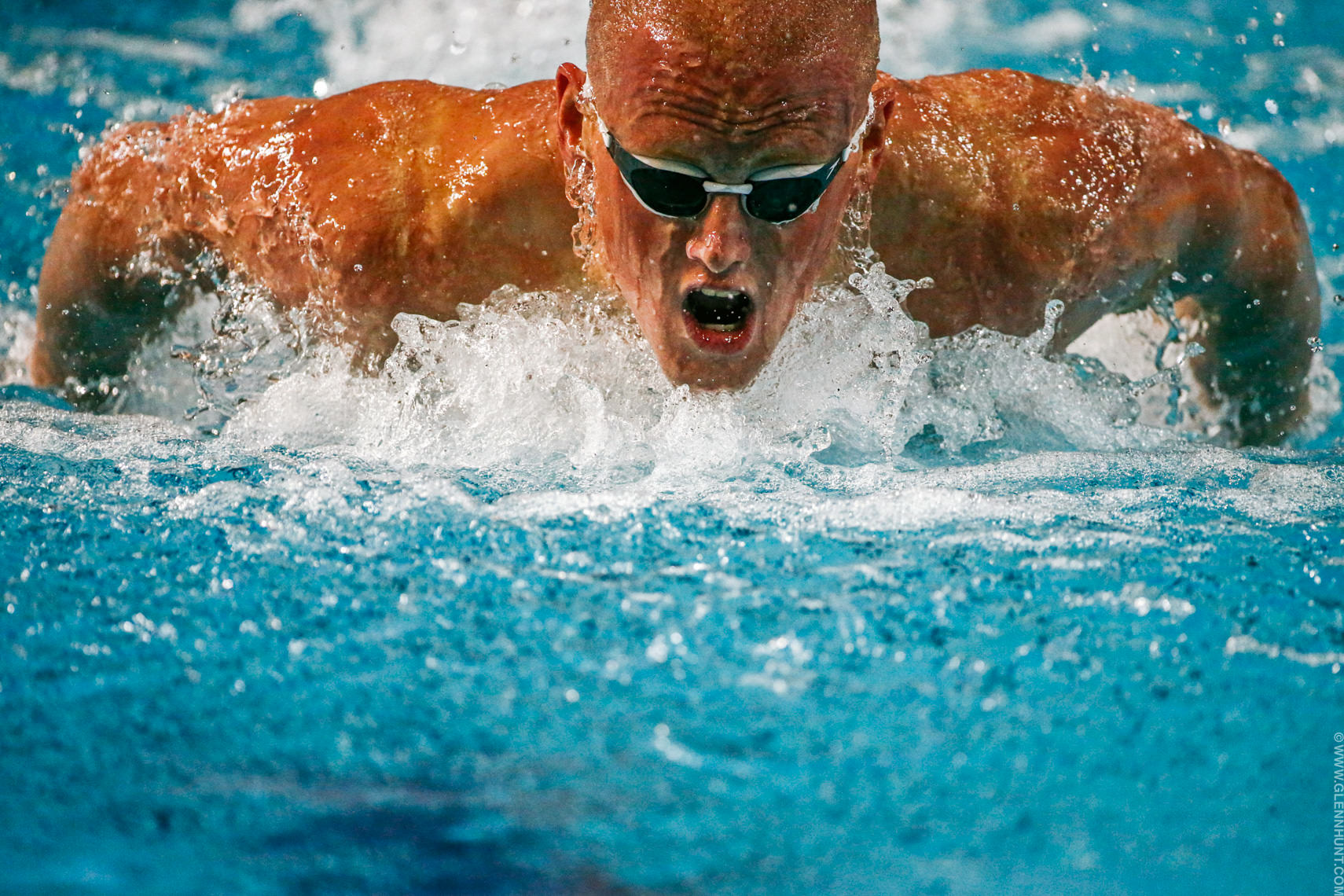
Streamline and Balance
Mastering freestyle starts with streamline and balance, the foundations that reduce drag and convert effort into speed. Begin each length with a tight push-off: arms locked overhead, biceps by the ears, chin slightly tucked, and core braced so your ribs do not flare. Practice a Superman glide, then shift into side-kick balance, one arm extended and the other by your side, eyes down, hips high near the surface. Use the 6-1-6 drill: six kicks on the side, a single stroke to switch, then six kicks on the new side. Keep the kick small and fast from the hips, ankles relaxed, toes pointed. Add the shark fin drill by sliding your recovery elbow up, pausing briefly to feel alignment and shoulder control. Aim to rotate as one piece from shoulders to hips, avoiding over-rotation or a scissoring kick. Count strokes per length to track your efficiency, and maintain smooth exhalation so the body stays relaxed and balanced throughout.
High-Elbow Catch and Propulsion
To boost speed without thrashing, refine the catch with an early vertical forearm (EVF). Think of setting your forearm as a paddle that anchors water while the body moves past it. Start with scull number one at the front: fingertips slightly down, wrists firm, elbows high, and subtle in-out sweeps to feel pressure on the palms and forearms. Progress to doggy paddle freestyle, stroking underwater with slow, controlled pulls while keeping elbows near the surface. Add fingertip drag on the recovery to encourage a relaxed, narrow hand path and shoulder rotation. Avoid dropping the elbow or crossing the midline; enter at shoulder width with a quiet hand and extend forward on a slight downward angle. Press back, not down, engaging the lats and core through the pull and finish. Count strokes on easy lengths to confirm improved distance per stroke (DPS), and keep the rhythm unhurried so mechanics, not momentum, drive propulsion.
Kicking That Counts
An effective kick stabilizes rotation and maintains body line while contributing speed. Focus on a compact, hip-driven flutter with soft knees and mobile ankles, using the legs like springs rather than hammers. Start with vertical kicking in deep water, hands across the chest, keeping your head up through small, fast kicks; add bursts with hands overhead to challenge core and balance. Alternate lengths using a board and no board: with a board, watch for a quiet head and still hips; without a board, arms extended, concentrate on streamline and steady rotation. Mix two-beat and six-beat kicks to match goals: two-beat for endurance efficiency, six-beat for speed surges and breakout power. Sprinkle in short sprints of kick to spark neuromuscular recruitment, followed by controlled recovery lengths that maintain posture. Think about toes barely breaking the surface and heels kissing the air, which proves you are kicking in line rather than downward. Over time, a smarter kick reduces oxygen cost and frees your arms to pull longer and stronger.
Breathing and Rhythm Control
Freestyle gains speed when breathing supports, not disrupts, rhythm. Train a smooth exhale into the water so the inhale is quick and relaxed, with one goggle in, one out, and the mouth close to the surface. Begin with side-kick breathing: hold side balance, exhale steadily, then roll the head with the body to sip air without lifting. Progress to 3-3-3 drill: three strokes breathing to one side, three to the other, then three bilateral to center your timing and symmetry. Use patterns like 3-5-3 or 2-4-2 to challenge control while keeping posture tall and rotation crisp. Pair your breath with the catch: inhale as the opposite hand extends forward and the lead hand spears, never pausing the stroke. Keep the kick light and supportive to stabilize the torso during the breath. These habits sharpen CO2 tolerance and confidence, helping you stay relaxed at faster paces and hold form deeper into long sets.
Tempo and Stroke Rate Mastery
Speed depends on the dance between stroke rate and distance per stroke. Train both ends deliberately. Start with stroke counting at easy effort to find your baseline DPS, then add gentle cadence increases while keeping the water feeling solid on your hands. Use a waterproof metronome if available, or match strokes to the pool's tiles or a mental beat to groove cadence. Run short sets where you hold stroke count steady but descend time, teaching your pull to grow more powerful without slipping. Then flip it: keep time steady while taking one fewer stroke per length to reinforce catch quality. Introduce micro-sets of fast turnover with perfect form—brief, crisp bursts followed by technique-focused recovery. Think of rate as the gear shifter and DPS as the engine torque; sustainable speed comes from balancing both. Track splits, perceived exertion, and stroke counts so each repetition has a clear target and you learn what rhythm unlocks your best economy.
Pulling Power and Feel for the Water
Build smart strength with pull and sculling that develop a refined feel for the water. Start with scull series: front scull to dial in the initial catch, mid scull by the shoulders to connect lats and core, then back scull near the hips to polish the finish. Keep elbows high, wrists stable, and pressure constant, moving just enough to sense grip. Add pull buoy to isolate the upper body, emphasizing long, patient extension and a straight-line pull path. Use a light band around the ankles occasionally to demand a true body line—short reps only, pristine technique. Introduce paddles carefully to amplify feedback; if water slips or shoulders protest, reduce size and slow down. Maintain a neutral head position and steady rotation so the pull integrates with the torso, not just the arms. Alternate buoy sets with full-stroke lengths to transfer improved catch mechanics into whole-swim speed and to ensure strength gains support fluid, sustainable freestyle.
Endurance Sets and Smart Pacing
Endurance grows when pacing, technique under fatigue, and repeatability converge. Design sets that teach control: negative-split swims where the second half is faster than the first; descending rounds that sharpen focus; and ladders that expand aerobic range without form breakdown. Establish a cruise pace you can repeat with consistent stroke counts and even splits, then sprinkle faster reps at controlled rest to nudge threshold. Try broken swims—short pauses inserted into a longer distance—to maintain quality while accumulating volume. Use perceived exertion or a pace clock to monitor effort, and log stroke count drift as a sign of fatigue-driven efficiency loss. Between harder repeats, swim easy with drills that reset posture and breathing so the next effort starts clean. Aim to finish sets with as much attention to body line and catch timing as at the start. The payoff is not just more yards, but sustainable speed that holds when it matters most.