Torque vs Horsepower: What Really Moves Your Machine
Understand what torque and horsepower really mean, how they work together, and which one matters most for acceleration, towing, and top speed.
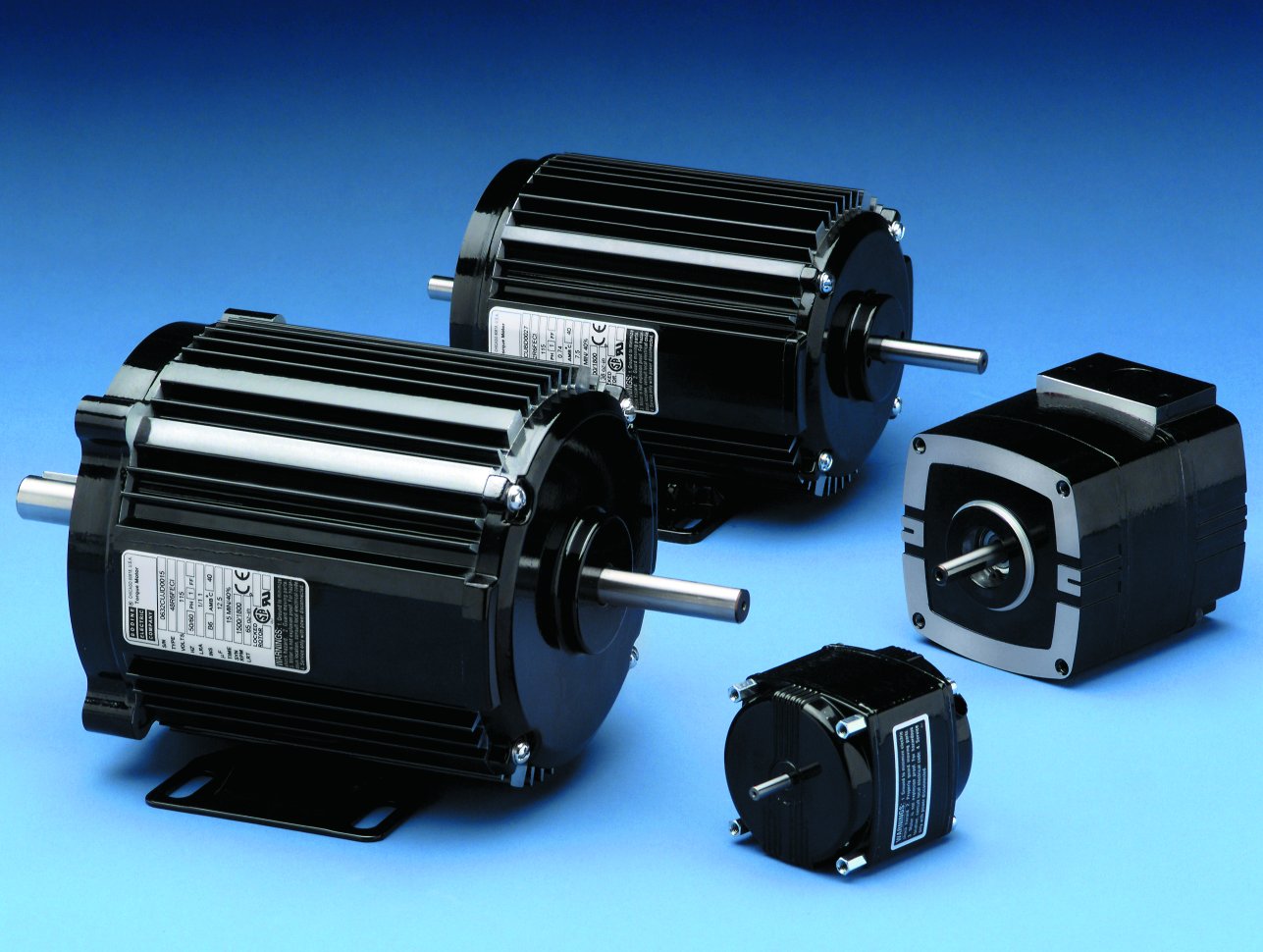
The Two Forces at Play
When people in the motors world talk about what really moves a machine, they often point to torque and horsepower as the defining forces. These terms get tossed around, but they describe different parts of the same story. Torque is the twisting force that initiates motion, the shove that gets a shaft turning. Horsepower is the rate at which work gets done, the measure of how quickly that twisting force can keep pushing as speed rises. Picture torque as the strong push at low speed and horsepower as the sustained pace that keeps acceleration climbing. In motors of all types, from compact electric drives to robust combustion engines, the balance between torque and horsepower shapes character, responsiveness, and capability. Understanding how these two interact helps you pick the right setup for towing, commuting, racing, or industrial duty. Once you see how they work together through the RPM range, the path to better performance becomes clear.
What Torque Really Means
Torque is rotational force multiplied by leverage. If you have a long wrench and apply steady pressure, you are using torque to turn a fastener. Motors create torque by pushing against magnetic fields, expanding gases, or fluid pressure, depending on the design. High torque at low RPM gives that satisfying surge from a stop, the ability to overcome inertia, and the confidence to move heavy loads. For vehicles, wheel torque is what you actually feel, and it is the product of engine or motor torque multiplied by gearing and reduced by drivetrain losses. A motor that produces a broad, flat torque curve offers strong pull across a wide speed band, making it easy to drive and hard to stall. In applications like off-road crawlers, forklifts, and boats, generous low-end torque is king. Even in compact devices, such as power tools and scooters, immediate torque determines launch feel, hill climbing, and overall tractability.
Decoding Horsepower as Useful Work
Horsepower is a way to express how quickly a motor turns torque into motion. Think of it as torque working over time and speed. Two systems can produce the same torque, but the one that maintains it at higher RPM delivers more horsepower and therefore more acceleration at speed. This matters when merging, passing, or sustaining velocity under load. Horsepower thrives on a balance of torque and revs, which is why motors optimized for high-speed breathing, efficient cooling, and low friction can feel lively even with moderate displacement. In practice, horsepower is a convenient shorthand for the overall performance potential of a machine, while torque describes the initial shove. The key is not choosing one over the other, but understanding how each maps to your needs. If you want swift top-end thrust, seek strong horsepower. If you want immediate, confident movement from a standstill, prioritize ample torque delivery early in the rev range.
RPM, Curves, and the Powerband Story
A motor is more than a single number; it lives on a curve. The torque curve shows how twisting force varies across RPM, while the horsepower curve reflects how that force combines with speed. A flat torque curve means predictable response in everyday driving. A rising horsepower curve indicates the engine or motor keeps breathing well as revs increase, rewarding you when you keep it in the sweet spot. This sweet spot is often called the powerband, the range where output feels strongest and responsiveness peaks. Electric motors typically offer robust low-end torque that tapers gradually, while many combustion engines build power as airflow improves with speed. Hybrids blend both traits. Matching your usage to the shape of these curves is practical wisdom. City driving favors a fat midrange. Track work rewards sustained top-end. Towing values early torque and thermal stability. The better the curve matches your task, the better your machine will feel in real use.
Gearing and Drivetrain Leverage
Gearing is the translator between motor output and what reaches the ground. A lower gear multiplies torque, making starts brisk and climbs manageable. A higher gear favors efficient cruising by reducing RPM for a given speed. Transmissions, differentials, and final drive ratios collaborate to place the motor in its powerband while delivering the right wheel torque for the job. This is why two machines with similar rated output can feel very different; one may use smart gearing to amplify strengths, while another may leave performance on the table with mismatched ratios. In electric drivetrains, single or limited-stage reductions rely on the motor's wide torque spread. In combustion setups, multi-speed gearboxes help keep the engine on the boil. Either way, think of gearing as leverage you can tune. The correct ratios sharpen throttle response, improve towing stability, reduce heat under load, and elevate overall efficiency without changing the motor itself.
Matching Power to Purpose
Choosing between more torque or more horsepower is really about context. For heavy trailers, steep grades, or stop-and-go work, generous low-end torque reduces strain, shortens launch time, and gives precise control at low speed. For brisk highway passes, spirited track sessions, or high-speed tools, horsepower matters because it sustains push as RPM climbs. Off-roaders and utility machines benefit from torque-rich setups and short gearing for crawl capability. Performance road cars and sport bikes often prioritize high-rev horsepower, supported by gearing and aerodynamics. In stationary equipment, such as compressors or pumps, the duty cycle, cooling strategy, and efficiency at target speeds matter more than peak numbers. Electric motors shine in tasks requiring immediate response and fine modulation, while combustion platforms can excel in sustained high-temperature, high-load environments. Align your needs with the output profile, gearing, cooling, and control strategy, and the spec sheet transforms from confusing jargon into a clear roadmap to real-world satisfaction.
Smarter Choices, Tuning, and Efficiency
Optimizing a machine means shaping where and how torque and horsepower appear. Intake and exhaust tuning, timing strategies, and friction reduction can broaden the curve in combustion systems. In electric motors, inverter mapping, thermal management, and current limits define the character of response and the durability of output. The drivetrain is just as influential; revising final drive ratios or shift logic can unleash feel without adding stress. Efficiency matters too. A motor that operates near its sweet spot wastes less energy as heat, preserving components and extending range or fuel. Cooling, lubrication, and material choices keep output repeatable under long pulls. Evaluate not only peaks but also area under the curve, transient response, and heat rejection. Use real-world data from logging or dyno sessions to see how the machine behaves through the RPM sweep. When you tune with purpose, the numbers stop competing and start collaborating to move your machine better.