Train Like a Soccer Pro: Plyometrics and Speed Sessions
Explosive plyometrics and precision speed sessions to build first-step quickness, top-end pace, and injury resilience - train like a soccer pro today.
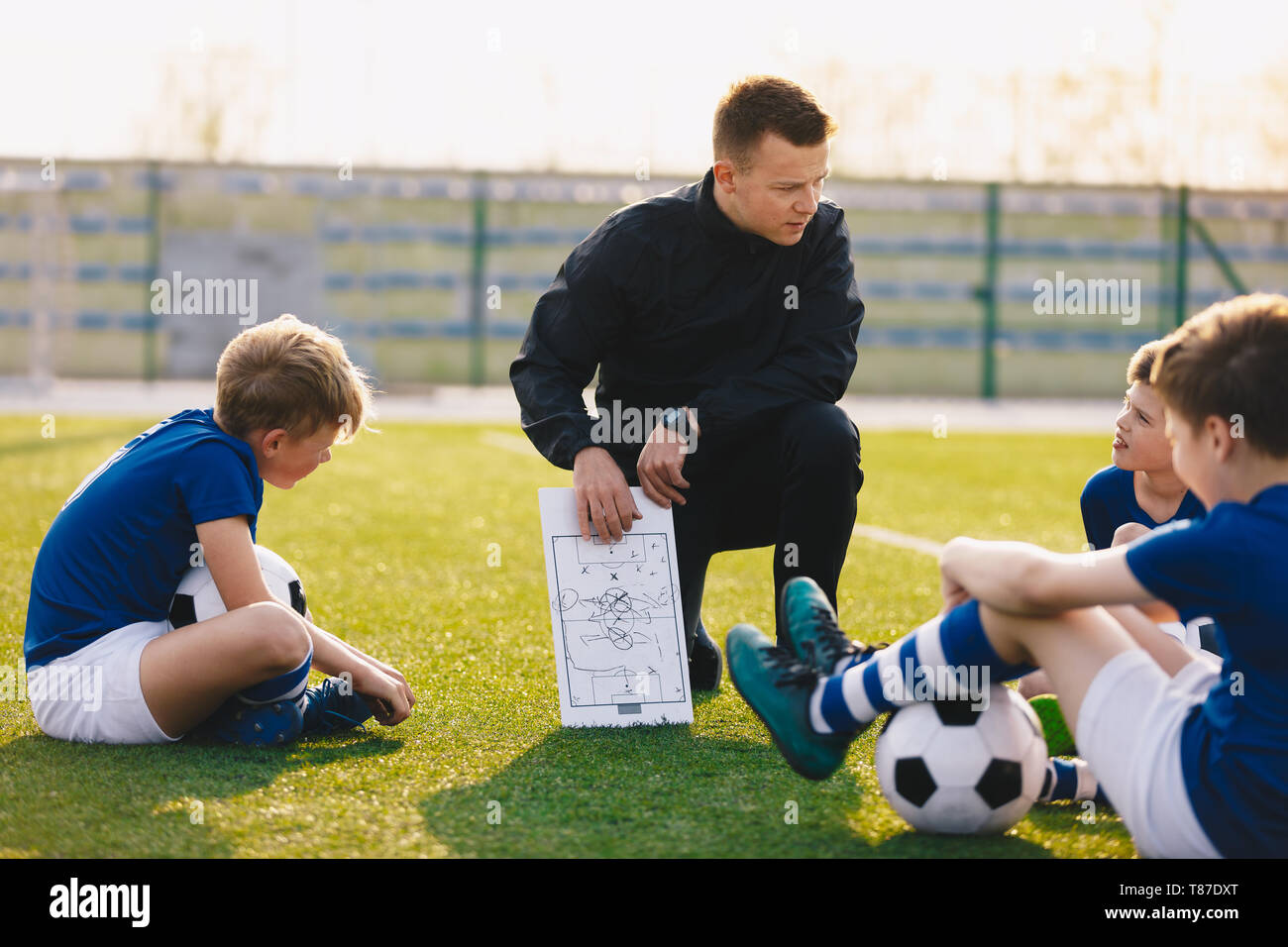
Explosive Foundations — Soccer speed begins with plyometrics that sharpen neuromuscular coordination, build elastic strength, and improve stiffness for razor-fast cuts. Think of every jump as a rehearsal for rapid accelerations and decelerations on the pitch. Prioritize a thorough warm-up featuring dynamic mobility, activation drills, and rhythm-based skipping before you chase height or distance. Start with low-amplitude movements like ankle pops and line hops, emphasizing short ground contact time and crisp landings. Keep the torso tall, brace the core, and let the arms snap to drive intent. Land silently to protect joints, absorbing force through hips and ankles rather than collapsing at the knees. Train quality over quantity, placing plyos early in the session when the nervous system is fresh. Use safe surfaces, wear secure footwear, and space efforts with generous rest to preserve speed. Progress by adjusting direction, height, and unilateral demands, ensuring the body adapts while tendons and soft tissues stay resilient and ready for match pace.
Plyometric Progressions for Pitch Performance — Build from simple to complex: pogos, skater bounds, single-leg hops, and split-squat jumps teach posture, rhythm, and force redirection. Advance to hurdle hops, lateral bound-stick drills, and depth drops that coach reactive control. Focus on clean mechanics: tall chest, hips back, knees tracking over toes, and a stiff ankle on takeoff and landing. Count contacts to manage volume, and rotate vectors by training forward, lateral, and diagonal patterns that mirror soccer footwork. For added specificity, insert a ball touch after landings or cue a quick pass to integrate skill under fatigue. Use contrast sets by pairing a strength move like a loaded split squat with an explosive jump to heighten neural drive. Keep coaching cues brief, such as punch the ground, snap the arms, and own the landing. Regularly film short clips to self-check positions, ensuring consistent triple extension and confident deceleration.
Acceleration Mechanics and First-Step Speed — Elite first steps depend on efficient projection and shin angles. From the first stride, lean forward from the ankles, keep the head neutral, and drive powerful arm action to set cadence. Think push, not reach, striking beneath the hips with a positive shin to propel the body forward. Use wall drills, falling starts, and two-point or three-point starts to groove positions before sprinting. Integrate resisted sprints with a sled or bands to extend force application, then remove resistance to feel lighter turnover. Short hill sprints teach projection without overthinking angles. Keep reps crisp, rest fully, and time segments with cones to see if technique holds under pressure. Layer in reactive starts using simple cues like a clap or color call, because soccer speed is decision speed. Finish with a few relaxed strides to flush tension, remembering that smooth mechanics beat grinding effort in the opening meters.
Max-Velocity Stride and Soccer-Specific Speed Endurance — While most sprints in soccer are brief, exposing the body to max-velocity running enhances hamstring resilience, posture, and relaxation at high speed. Use dribble runs, A-skips, and wicket drills to refine rhythm and front-side mechanics. Progress to fly-ins where you gradually build pace before a short maximal segment, staying tall with quick, light contacts and a patient stride. Sprinkle in in-and-outs that alternate fast and float zones to sharpen speed endurance without overloading. Curve running prepares the body for match-relevant paths, challenging hips and trunk control. Keep volumes modest, spaces safe, and intent high. Pair select jumps before or after sprints for post-activation benefits, but stop sets the moment form deteriorates. Breathe through recovery, relax the jaw and shoulders, and chase fluidity. True top speed feels elastic, not forced, and consistent exposure helps you hit match-day sprints with confidence and durability.
Agility, Deceleration, and Change of Direction — Game-winning speed includes the brakes. Train deceleration with sprint-to-stick landings, snap-downs, and lateral shuffles into controlled cuts. Lower the center of mass, load the penultimate step, and align the shin angle in the direction of travel to redirect safely. Practice 45-degree and 90-degree cuts, add curved runs, and mix in backpedal-to-sprint transitions to cover real match patterns. Build reactive agility by responding to visual or verbal cues, since reading the game is as vital as raw pace. Strengthen the system behind the skill: adductors, glutes, and calves anchor the hips and ankles against high braking forces, while anti-rotation core work stabilizes the torso. Keep foot contacts crisp, avoid overstriding into cuts, and maintain eye level for scanning. As competence grows, layer ball handling into agility drills, ensuring you can receive, turn, and accelerate with the control demanded by elite play.
Session Design, Recovery, and Consistency — Structure wins. Open with mobility, tissue prep, and activation, then move to plyometrics, acceleration, top-speed exposures, and agility, before finishing with technical touches or light conditioning. Keep work bouts short and electric, with clean rest to protect power output. Track simple metrics like contacts, best sprint time, and rate of perceived exertion to regulate load. Progress by tweaking intensity or complexity, not by cramming endless reps. Anchor resilience with Nordic hamstring variations, isometric calf raises, and hip adductor strength. Close sessions with breathing resets and gentle mobility to downshift the nervous system. Prioritize sleep, hydration, and balanced nutrition so adaptations stick. Plan demanding speed days away from the heaviest team loads, and be willing to trim volume when legs feel flat. Consistency beats hero workouts; show up, move with intent, and let your speed and elastic power accumulate week after week.