Train Travel Magic: Slow Journeys, Big Memories
Savor the joy of unhurried rail journeys—window-seat cinemas, warm conversations, and landscapes that linger long after the final stop.
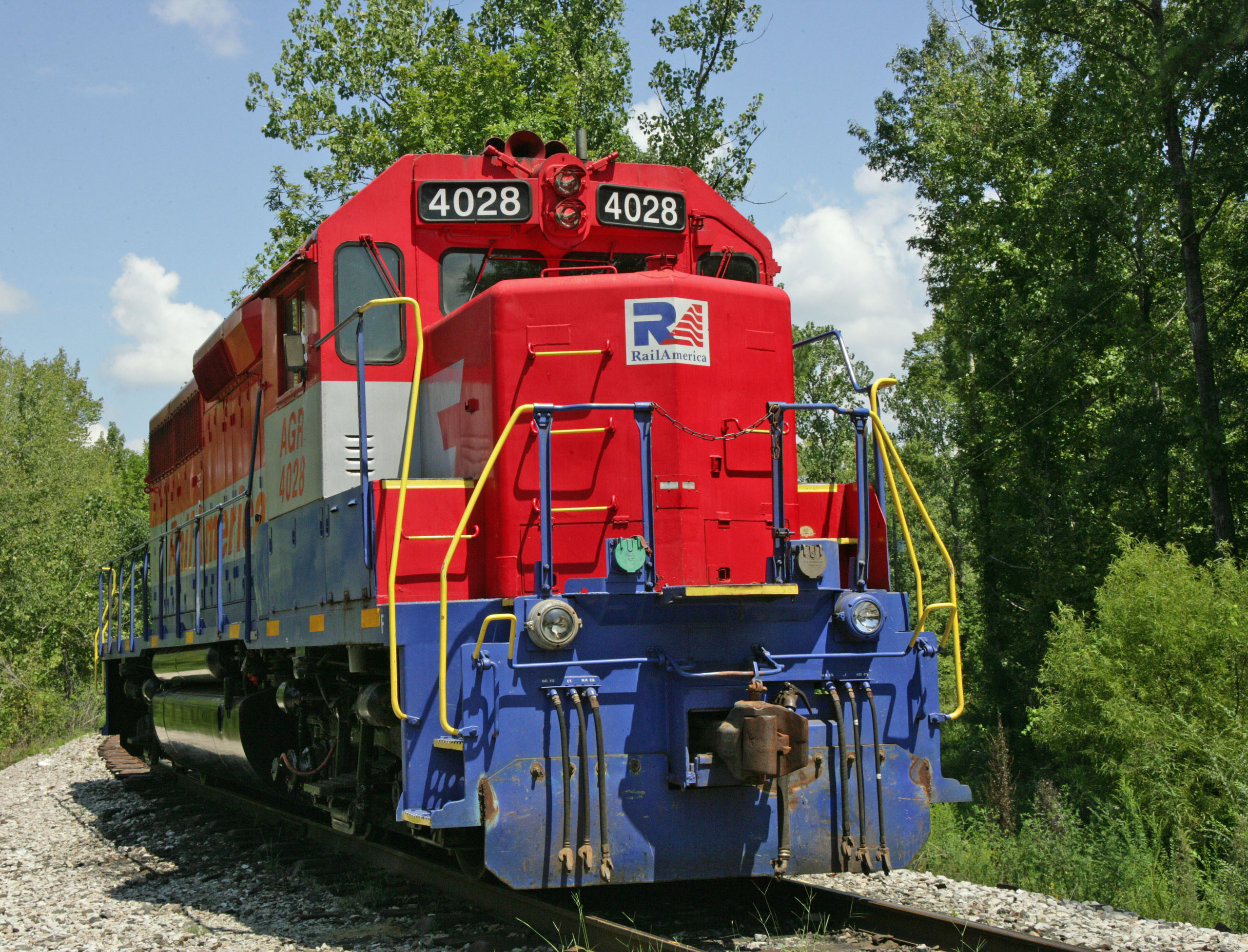
Slow Beginnings: Train travel invites you to measure distance differently, trading rush for slow travel that softens the edges of time. The moment you step onto the platform, there is a hush of anticipation, a choreography of bags, and a warm breath of diesel or clean electric hum. You find your seat, tuck a book within reach, and watch the first frames of window-seat cinema roll by: allotments, back gardens, river curves, and silhouettes of distant hills. The carriage becomes a moving living room, where unhurried itineraries encourage you to savor pauses instead of filling every minute. Trains feel human scaled; you can stretch, wander to the vestibule, chat by the door between stops, and let the rhythm of wheels iron out everyday tension. Embrace platform rituals like buying a small snack, checking the board, and greeting staff with a smile. In this slower cadence, even a routine connection becomes rail romance, a gentle invitation to be present, observant, and open to surprise.
Rhythm of the Rails: The journey is its own destination when you tune into the rhythm of the rails. Landscapes do not flash; they unfurl. Villages appear like chapters, each with a church spire or rooftop garden. Rivers braid into farmland, then into forest, then into craggy cuts of stone, and you witness the continent's texture without losing touch with the ground beneath you. Use the time for mindful observation: jot field notes, sketch a treeline, or map scents from coffee to rain-washed tracks. Coach lights glow softly through tunnels, then spill into sunlit valleys that make you shift in your seat to catch one more view. Photography thrives here; frame reflections, capture motion blur of wildflowers, wait for a bend that reveals the train's own curve. Consider a short walk to the observation car or simply stand by a vestibule window for fresh air at a stop. With every mile, attention deepens, and the world grows larger, not smaller.
Packing for Presence: A graceful rail journey begins with packing light and thinking in layers. Choose a compact carry-on that slips easily into overhead racks, and keep a small day pouch at your seat for essentials like a refillable bottle, snacks with slow energy, hand wipes, and a slim notebook. For longer rides, a sleep kit helps: soft scarf, eye mask, and earplugs to buffer chatter or track noise. Shoes that slide on and off make stretch breaks simpler, while a light sweater counters air conditioning or night chill. Download offline maps and reading material, but also let unplanned looking be your main entertainment. A tiny travel towel and compact toiletries freshen you up during layovers. Think small routines: a tea sachet steeped as landscapes change, a few stretches near the door at quiet moments, a timed breathing exercise synced to the clack of rails. This is comfort by design, a toolkit that frees your hands and mind so the scenery can do its work.
Taste Along the Tracks: Rail travel carries a buffet of local flavors that enrich memory far beyond calories. In a dining car, the sway of motion turns a simple plate into a small performance; cutlery glints, cups clink, and strangers become tablemates. Seek regional snacks on station platforms: fruit at a morning stop, a savory pastry after noon, a warm broth on chilly evenings. Build a rolling picnic from a nearby market before boarding, favoring items that travel well, like hard cheeses, crisp vegetables, olives, and good bread. Use a reusable fork and napkin to reduce waste, and sip hydration steadily to keep energy even. When sharing a table, match the carriage's mood: lively conversation on social cars, courteous quiet in designated calm zones. Taste with curiosity, not urgency; think of each bite as a postcard your senses will mail back later. Culinary memories on trains are edible souvenirs, proof that great journeys are measured in flavors as much as in miles.
Carriage Companions: A train car is a brief neighborhood, and the art of rail etiquette turns fellow travelers into part of the experience. Keep bags trim and pathways clear, greet the attendant with warmth, and modulate your voice to match the room. Quiet coaches invite mindful stillness, while standard cars brim with soft conversation, laughter, and shared discovery. Striking up a chat can be simple: admire a view, ask about a regional dish, or compliment a well-traveled backpack. If solitude calls, headphones and a book signal personal space without building walls. Families can pack small games, window scavenger lists, or story prompts tied to passing scenes. Solo travelers often find gentle camaraderie in the buffet line or by the door during scenic stretches. Always be respectful about photography, keeping others' privacy in mind. With small kindnesses and easy smiles, a carriage becomes a friendly salon on rails, where human connection balances the grand parade of landscapes.
Green Lines, Living History: Choosing trains is a quiet vote for sustainable travel, a way to cross distance with a lighter footprint while actually seeing the places you pass. Rail networks knit regions together, supporting local economies as visitors step off at stations near markets, museums, and small businesses. Many routes trace heritage railways and historic corridors, revealing feats of engineering and communities that grew along the tracks. Night services turn distance into rest, swapping airport sprints for sleeper calm and sunrise arrival. Pack a reusable bottle, sort waste thoughtfully, and keep windowsills tidy so the landscapes you admire remain pristine for others. Consider pairing trains with walkable neighborhoods, bikes, or trams to extend the eco-friendly chain. The romance here is not nostalgic escapism; it is living history, continuously updated by the people who ride, work, and welcome at every stop. On steel threads, you learn that responsible travel can be both practical and poetic.
Big Memories, Kept Simple: The best rail itineraries blend structure and spontaneity. Choose a few anchor stops, then leave buffer time for serendipity: a detour to a lakeside town spotted from the carriage, or an extra night when a place captures your heart. Book seats where the view sings to you, and switch sides at layovers if light has shifted. Keep a journey journal that pairs sketches with scraps of station paper; record sounds as brief audio notes to replay the clack and hush of tunnels. Photograph moments but also put the camera down to imprint scenes with your senses. Seek small rituals: morning coffee by the window, evening gratitude lists, a postcard written while the countryside slides by. Pack souvenirs that travel lightly, such as recipes borrowed from fellow passengers or a pressed leaf tucked into your notebook. Trains teach that slow journeys make big memories precisely because you have time to notice, breathe, and belong to the view.